
Most executives have read the classics. Playing to Win. The Innovator's Dilemma. Maybe even Understanding Michael Porter.
But here's the problem: Reading doesn't translate to deciding.
When the board asks "Why this strategy?" or "What are the risks?", you need more than book knowledge. You need decision intelligence—the ability to translate insight into defensible judgment.
That's what the Executive Judgment Core delivers.
The Launch Bundle: Your Complete Decision Operating System
The Executive Judgment Core is a curated collection of five foundational strategy books, transformed into an integrated decision-making system. Each book has been distilled into:
- 16-minute executive briefs (conversational, CEO-grade)
- Decision blueprints (structured frameworks for action)
- Strategic options & risk maps (conservative, balanced, aggressive paths)
- Board-defensible narratives (copy-paste ready rationale)
This isn't a book summary service. This is decision architecture.
The Core Five Books
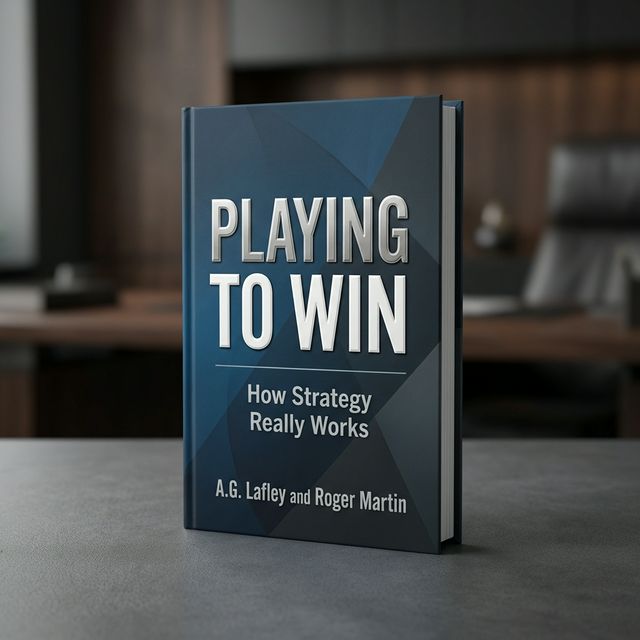
1. Playing to Win — A.G. Lafley & Roger Martin
The Foundation: Strategic Choice Architecture
Lafley and Martin's framework is the gold standard for strategic clarity. Their five-question cascade (What is our winning aspiration? Where will we play? How will we win? What capabilities must be in place? What management systems are required?) provides the structural backbone for every strategic decision.
What You Get:
- The complete five-question cascade as a decision blueprint
- Risk maps for each strategic choice
- Board-ready narratives for defending your "where to play" decisions
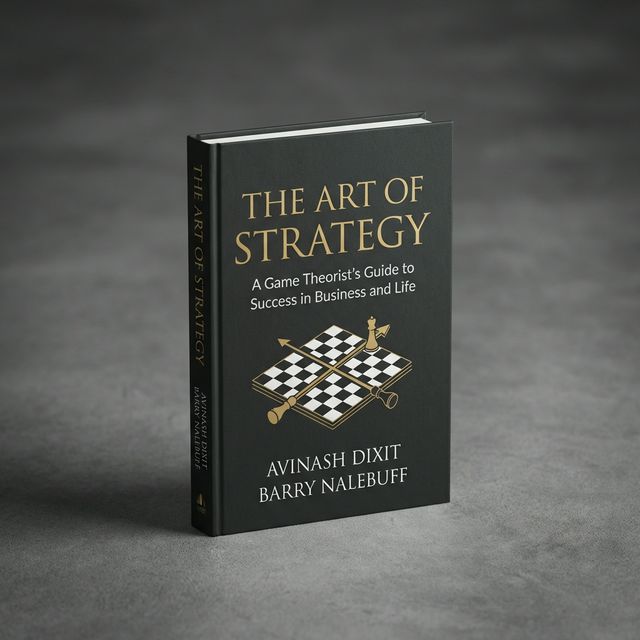
2. The Art of Strategy — Avinash Dixit & Barry Nalebuff
Game Theory for Executive Decisions
Strategy isn't just about your moves—it's about anticipating competitors' responses. Dixit and Nalebuff translate game theory into practical executive tools for competitive positioning, negotiation, and strategic commitment.
What You Get:
- Game-theoretic decision trees for competitive scenarios
- First-mover vs. fast-follower analysis frameworks
- Strategic commitment blueprints (when to signal, when to stay silent)
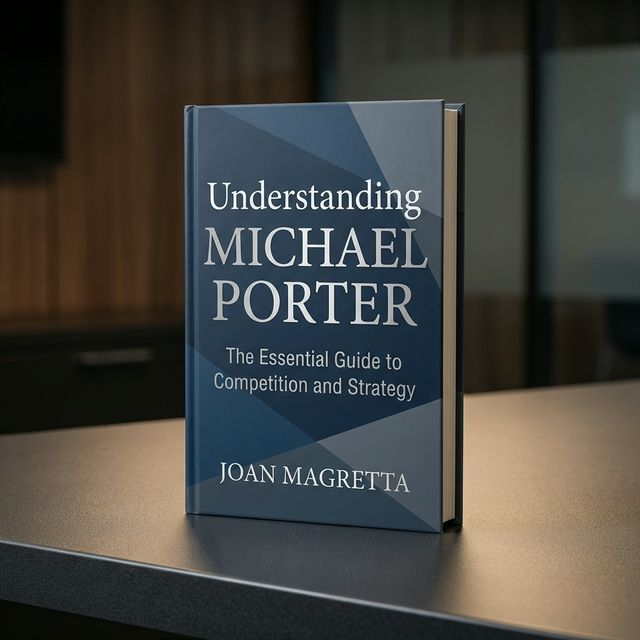
3. Understanding Michael Porter — Joan Magretta
Competitive Advantage Decoded
Porter's work is foundational, but dense. Magretta's interpretation makes Porter's frameworks immediately actionable: Five Forces, Value Chain, Generic Strategies, and the critical distinction between operational effectiveness and strategic positioning.
What You Get:
- Five Forces analysis templates for your industry
- Value chain mapping for competitive advantage identification
- Strategic positioning decision blueprints (differentiation vs. cost leadership)
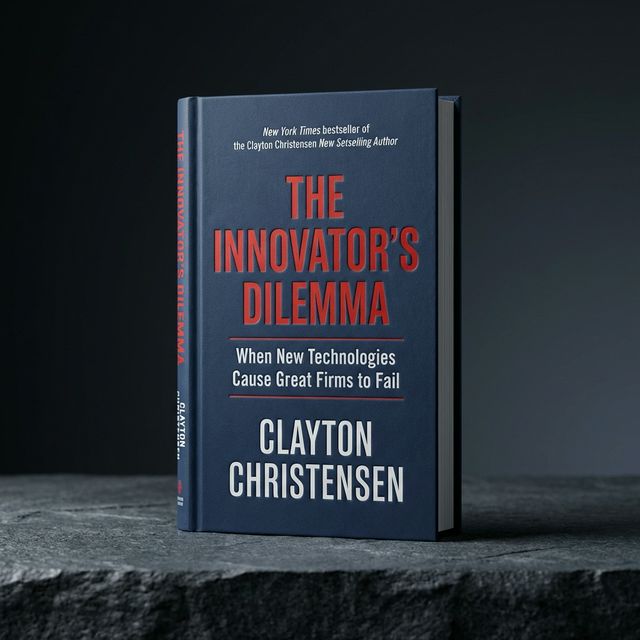
4. The Innovator's Dilemma — Clayton Christensen
Disruption Defense & Offense
Christensen's framework explains why great companies fail—and how to avoid that fate. His distinction between sustaining and disruptive innovation is critical for every executive navigating technological change.
What You Get:
- Disruption vulnerability assessment frameworks
- Innovation portfolio decision blueprints (core vs. adjacent vs. transformational)
- Board-defensible narratives for investing in "low-margin" disruptive opportunities
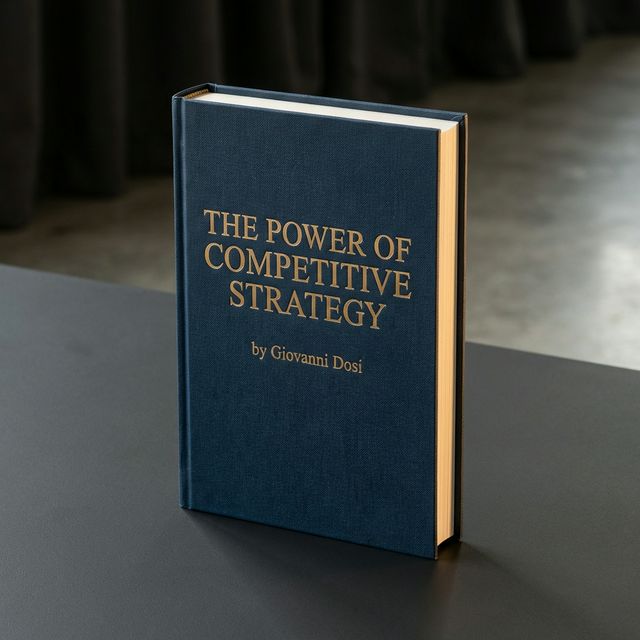
5. The Power of Competitive Strategy — Giovanni Dosi et al.
Evolutionary Economics & Strategic Adaptation
Dosi brings an evolutionary lens to strategy: firms don't just optimize, they adapt. This book complements the others by adding dynamic capability thinking—how to build organizations that evolve with markets.
What You Get:
- Dynamic capability assessment frameworks
- Organizational adaptation decision blueprints
- Strategic flexibility vs. commitment trade-off maps
Ready to Upgrade Your Decision System?
The Executive Judgment Core is available now as part of The Boardroom Brief launch bundle.
Explore the Core Five →Built by Leaders, For Leaders
The Boardroom Brief exists because insight without execution is just entertainment. We translate the world's most respected strategy books into decision intelligence—so you can move from "I read that" to "Here's why we're doing this."